
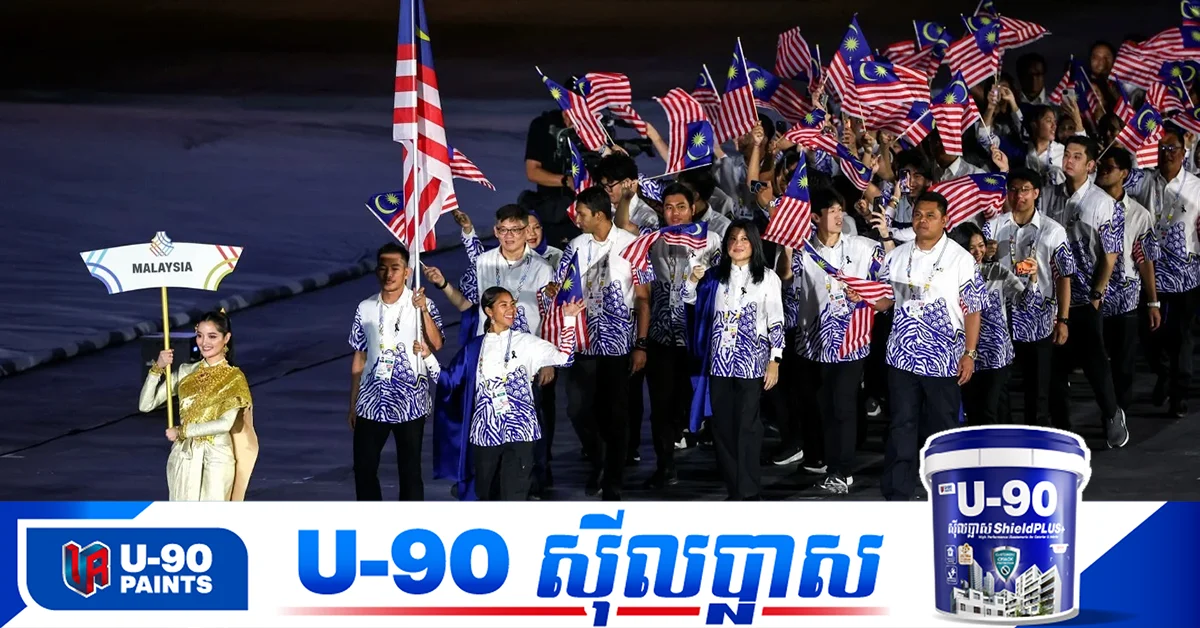
The Southeast Asian Games, currently underway in Thailand, have been marred by significant complaints from several participating nations regarding the quality and dietary compliance of food provided to athletes. Malaysia has emerged as a leading voice among the predominantly Muslim countries expressing serious concerns about the nutritional value and halal status of meals prepared by the Thai hosts.
These issues are not entirely new; nations like Malaysia, Indonesia, Brunei, and East Timor had previously voiced considerable apprehension about athlete well-being and dietary provisions even before the 33rd SEA Games commenced.
During a crucial meeting of sports delegation heads on December 11, Malaysian representatives formally lodged a complaint, highlighting the consistent lack of appropriate halal food options. For their Muslim athletes, adhering to halal dietary laws is paramount, meaning meals must exclude pork, alcohol, and blood-based ingredients. Permissible halal ingredients generally include poultry, seafood, fruits, vegetables, grains, milk, eggs, and plant-based foods.
The Malaysian delegation specifically requested that Thai organizers enhance the nutritional content of the food provided, citing that athletes were often receiving only chicken and fish. This limited offering was deemed insufficient for the demanding physical requirements of competitive athletes. Delegates from Brunei, Indonesia, and East Timor echoed these sentiments, expressing similar dissatisfaction with the food provisions, especially given their large contingents of Muslim athletes. These nations collectively urged Thailand to ensure the provision of standard-compliant halal food.
Reports from various Thai newspapers confirm that the host nation has faced public criticism from visiting delegations. The inadequacy and poor nutritional quality of the food are believed to be adversely affecting athlete performance and their overall competitive edge. Consequently, many athletes have resorted to purchasing supplementary food from outside the official catering to maintain their strength and performance levels.
Initially, during the first days of the competition, the Thai organizers offered food in the form of boxed meals. This arrangement was later switched to a buffet style. However, even with the change, criticisms persisted, as the buffet options were still considered to be nutritionally insufficient and lacking in variety to meet the diverse needs of the athletes.