
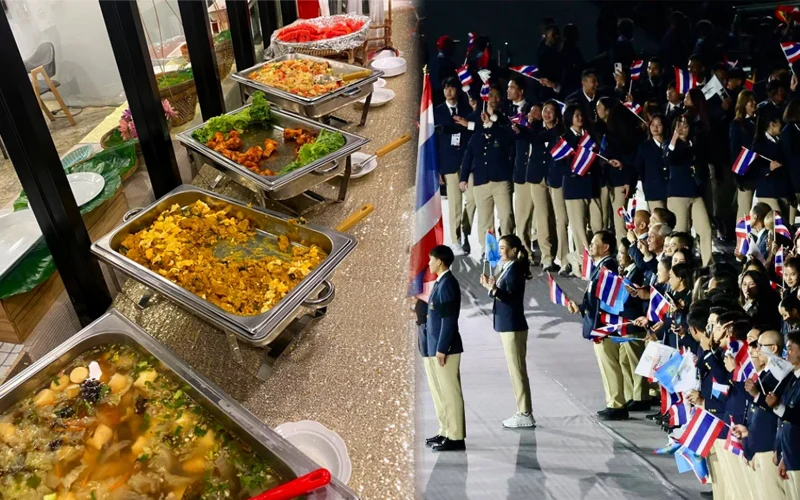
Eight athletes representing the host nation, Thailand, at the 33rd SEA Games, were urgently hospitalized due to severe food poisoning. This alarming incident has brought renewed attention to widespread dissatisfaction among various participating countries regarding the quality and arrangements of food provisions at the ongoing event.
According to an announcement from officials involved in the organization of the 2025 Southeast Asian Games, made on December 12, medical teams responded to an emergency situation at the athletes’ village. Eight Thai national athletes were affected, displaying a range of symptoms including stomach aches, nausea, dizziness, and diarrhea. All eight were promptly transferred to Chonburi Hospital for treatment. Notably, seven of the eight affected individuals were members of the Thai national volleyball team, highlighting the potential impact on key sporting contingents.
Reports indicate that the athletes had consumed pre-packaged lunch meals provided by a hotel on December 11. However, the head of the medical committee for the Thai delegation swiftly clarified the situation, stating that the food poisoning cases were not a result of meals directly prepared by the SEA Games organizing committee itself. Despite this clarification, the hospitalization of host-nation athletes has significantly intensified pre-existing concerns surrounding the safety and nutritional standards of food provisions at the 33rd iteration of the multi-sport event.
Numerous participating delegations had previously voiced their worries regarding the catering provided by the Thai hosts. Particular emphasis was placed on the availability and nutritional content of Halal food options, which is crucial for many athletes. Countries such as Malaysia, Indonesia, Brunei, and several other Islamic nations had formally lodged complaints with the organizers about the perceived lack of sufficient and nutritious food. They argued that these deficiencies could detrimentally impact their athletes’ performance and overall well-being. Consequently, many athletes reportedly resorted to purchasing their own meals from outside vendors to ensure adequate sustenance and maintain their competitive edge.
Beyond the critical issues with food quality and availability, delegations have also reported a range of logistical challenges. These included significant delays in transportation services, particularly from the airport upon arrival, as well as mix-ups and errors in accommodation assignments for various teams. The Vietnamese delegation, for instance, lodged protests concerning repeated inaccuracies involving their national flag during television broadcasts and medal ceremonies. This included specific errors during a men’s football match against Malaysia, underscoring a broader pattern of organizational oversights and difficulties experienced by participants.