The prospect of the FIFA World Cup 2026 facing a potential postponement has emerged amidst growing geopolitical tensions, particularly if conflicts in the Middle East were to escalate and directly impact regions like Europe or North America. Such a widespread conflict would pose significant security challenges for what is anticipated to be one of the largest and most ambitious sporting events in history.
Professor Simon Chadwick, a seasoned expert who has contributed to assessments and research for previous FIFA World Cups, has provided his perspective on these developing concerns. While he believes the likelihood of postponement remains extremely low, he acknowledges the immense logistical, financial, and political complexities involved in altering the schedule of a global spectacle mere months before its intended kickoff. Chadwick further elaborated that only a severe and widespread escalation of conflict, directly disrupting critical infrastructure like international air travel or global oil supplies in Europe or North America, might compel the International Federation of Association Football (FIFA) to seriously consider delaying the 2026 tournament.
Heightened geopolitical tensions, particularly between the United States, Israel, and Iran, have fueled these discussions. Several Iranian football officials have voiced apprehension regarding their national team’s potential difficulties in participating in the tournament, which is set to be co-hosted by the United States, Canada, and Mexico. The event is currently scheduled to run from June 11 to July 19, 2026.
Iran’s national team is slated to compete in group stage matches against New Zealand, Belgium, and Egypt, with these specific games planned to take place on American soil. This arrangement intensifies security concerns and highlights potential travel restrictions, especially given existing US travel policies that have previously limited entry for Iranian citizens under certain administrations.
Despite these underlying anxieties and geopolitical complexities, the current assessment indicates a high probability that the 2026 FIFA World Cup will proceed precisely as scheduled. This sentiment was echoed by JT Batson, CEO of US Soccer, who, in a statement to Sky News on March 3, 2026, affirmed FIFA President Gianni Infantino’s unwavering commitment. Batson quoted Infantino’s clear intention to host a secure World Cup where all participating teams are welcomed, a vision strongly supported by US Soccer.
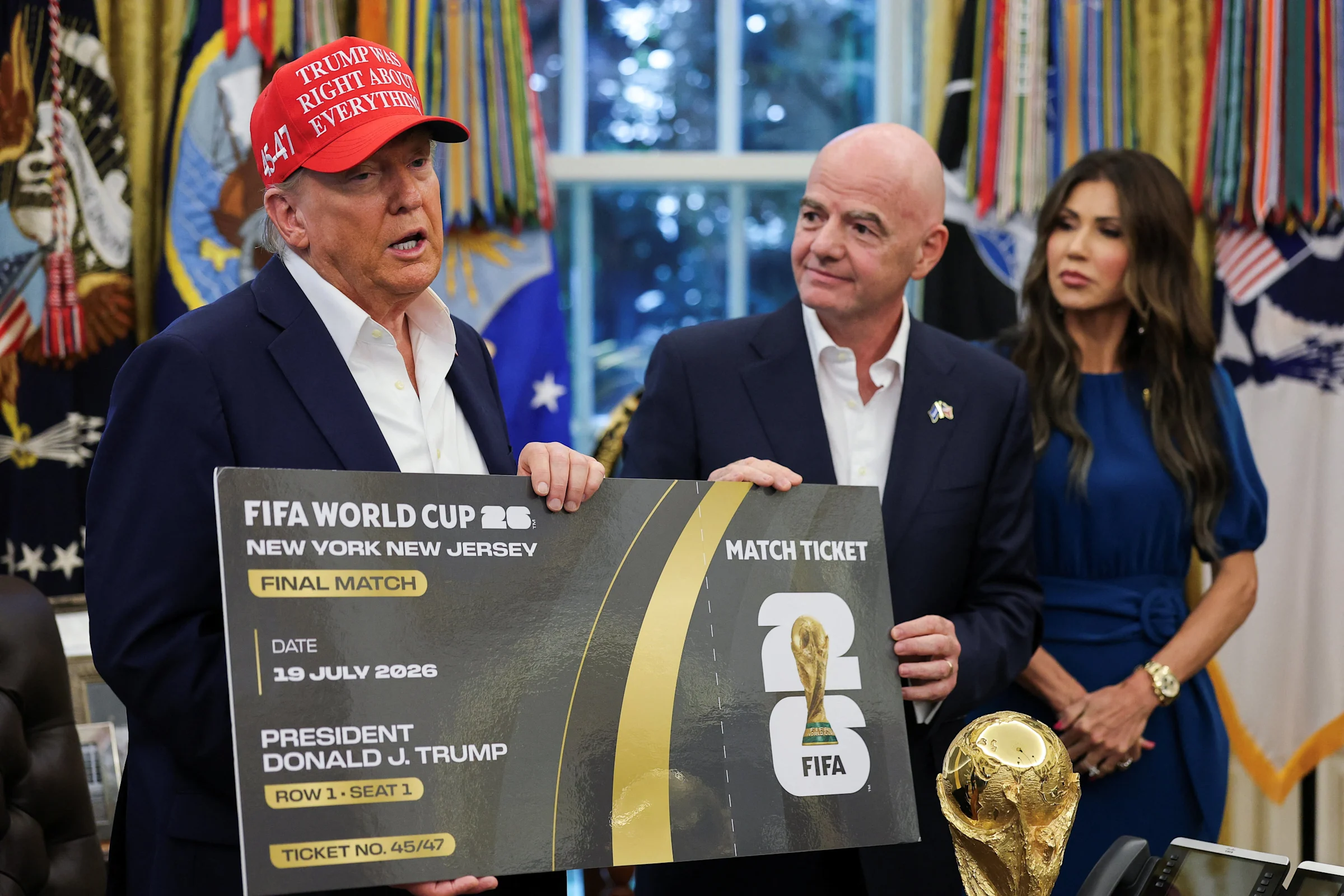
The grand opening match is planned for Mexico City, where co-host Mexico will face South Africa. In total, an unprecedented 104 matches are set to be contested across the three co-host nations. The United States is designated to host the majority of the tournament’s games, specifically 78 matches, including the highly anticipated final.