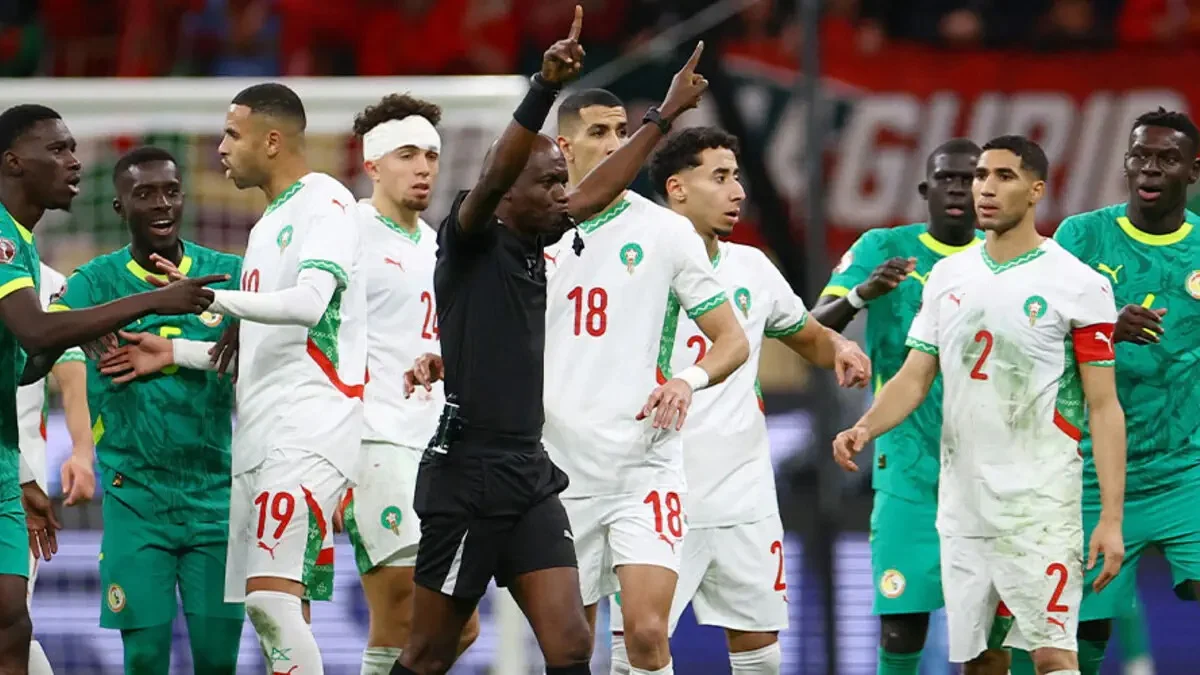
Major European football clubs are expressing significant concern and actively seeking new strategies for their playing systems, alongside the potential search for new players in January. This urgent need arises because their African contingent is set to depart to represent their respective national teams at the Africa Cup of Nations (AFCON) in 2025.
The prestigious AFCON 2025 tournament is scheduled to run from December 25, 2025, to January 18, 2026. Morocco, an increasingly prominent footballing nation in Africa, will host the competition. This presents a dual opportunity for Morocco: not only to compete for regional glory on home soil but also to fine-tune their capabilities and test their readiness for the FIFA World Cup 2026. Beyond the hosts, other African teams that have secured a spot in the upcoming World Cup will also leverage this continental championship to strengthen their tactics and ensure optimal preparation.
Twenty-four of Africa’s strongest national teams will converge in Morocco for AFCON 2025, marking the first time in 37 years that Morocco has hosted the continent’s premier football event. However, the timing of this tournament is poised to have a considerable impact on several major European clubs, as their crucial African players will be absent while on international duty.
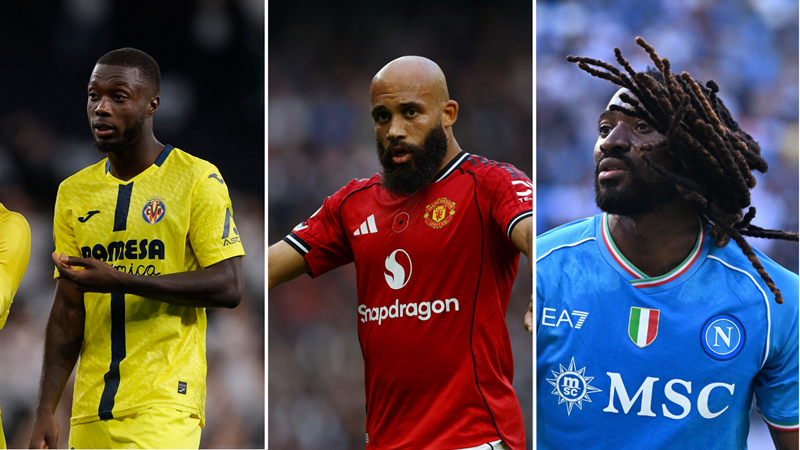
One player frequently highlighted in discussions is Bryan Mbeumo. His impending absence from Manchester United is expected to pose significant challenges for the team, which has recently found a promising run of form. Mbeumo is slated to join the Cameroon national team, meaning he could miss up to six crucial Premier League fixtures for Manchester United. This situation will compel manager Ruben Amorim to devise new solutions, especially after the team’s recent improvements in playing style. Despite only joining Manchester United this new season, the 26-year-old forward has rapidly adapted to Amorim’s system. Mbeumo’s presence has become vital for the club, particularly given his recent goal-scoring contributions in several matches. Finding an immediate replacement with similar capabilities to the Cameroonian international will be a formidable task for Manchester United.
Manchester United is not alone in facing these difficulties; numerous other European clubs are also grappling with the repercussions of the AFCON tournament. For instance, Nicolas Pepe of Villarreal is set to represent Ivory Coast, and his absence is likely to weaken the Spanish top-flight team’s right-wing attack. Similarly, Zambo Anguissa, a compatriot of Pepe, will also be unavailable for Napoli for multiple games.
Other significant African players, including Liverpool’s Mohamed Salah, Paris Saint-Germain’s Achraf Hakimi, and Victor Osimhen, are also expected to join their national squads. Their respective clubs could face varying degrees of impact on their league campaigns during this period. The collective absence of these vital African talents, along with other rising stars from various European clubs, is expected to introduce considerable shifts in the dynamics of European football competitions.
Ultimately, these circumstances necessitate that European clubs strategically adapt by modifying their playing formations, adjusting match plans, and actively seeking new players to fill the temporary void. The loss of such pivotal players will undoubtedly exert a strong influence on the race for league points across various football leagues during what is already a highly demanding period in the European football calendar.