Five Iranian female football players, who had previously sought and been granted asylum in Australia, have reportedly reversed their decision and returned to Iran. This unexpected reversal comes amidst intense pressure and credible threats from the Iranian government, which had previously accused them of treason.
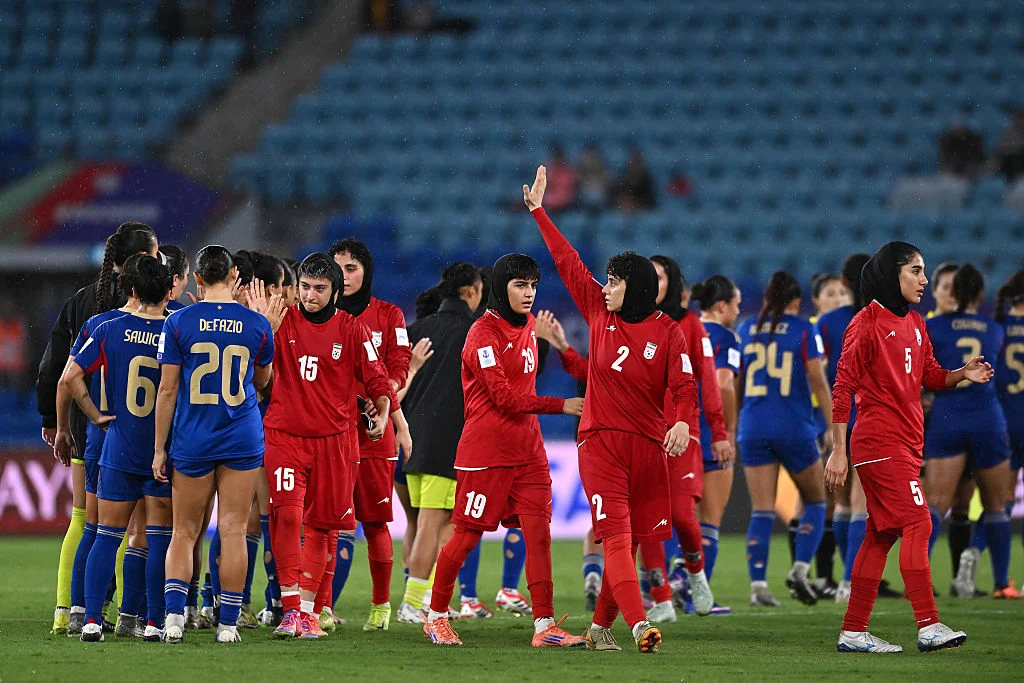
The controversy originated during the AFC Women’s Asian Cup, held in Australia. A group of Iranian female athletes competing in the tournament faced severe allegations of treason from an Iranian state television presenter. This accusation stemmed from their refusal to sing the national anthem during their opening group stage match against South Korea.
Following these allegations, the international professional football players’ union, FIFPRO, proactively urged both the International Federation of Association Football (FIFA) and the Asian Football Confederation (AFC) to ensure the protection and safety of the Iranian players during the tournament. The plight of these athletes also garnered international political attention, with then-U.S. President Donald Trump, in collaboration with allied Israel, publicly calling upon the Australian Prime Minister to offer support and asylum to the Iranian female football squad.
Initially, five members of the Iranian team took the significant step of leaving their squad to formally apply for asylum in Australia, seeking refuge from the escalating threats to their safety. Subsequently, before the team’s planned departure from Australia to Malaysia for a connecting flight back to Iran, two more players also expressed their desire to remain in Australia.
However, on March 16, a pivotal development occurred: the original five players who had been granted asylum, including team captain Zahra Ghanbari, ultimately relinquished their asylum status. This decision is widely believed to have been a direct consequence of severe intimidation and coercion exerted by the Iranian authorities.
Iranian state news agencies, including the Islamic Republic News Agency (ISNA) and Mehr News, presented this return as a patriotic act, framing it as the athletes’ choice to return to their “warm homeland” and uphold “national dignity.” Another Iranian news agency, Tasnim, suggested that the players who had initially sought asylum in Australia were subjected to psychological pressure, persuasive tactics, and attractive offers from the Australian side, implying that their asylum bid was not due to genuine threats.
These assertions by Iranian state media have been strongly refuted. Tina Kordrostami, an Iranian-Australian council member, dismissed all claims made by the Iranian state-controlled press. Speaking to Fox News, Ms. Kordrostami revealed that the five players had been subjected to direct intimidation and communication from the Iranian Islamic regime in the days leading up to their decision to renounce asylum. Further reports, including one from the Dutch outlet AD, indicated that all Iranian players faced threats during their journey back to their home country. Disturbingly, some players were allegedly threatened that their families would be held hostage if they refused to return to Iran. Despite these pressures, a contingent of other Iranian players reportedly continues to reside in Australia, with their long-term decisions regarding a return to Iran still pending.