
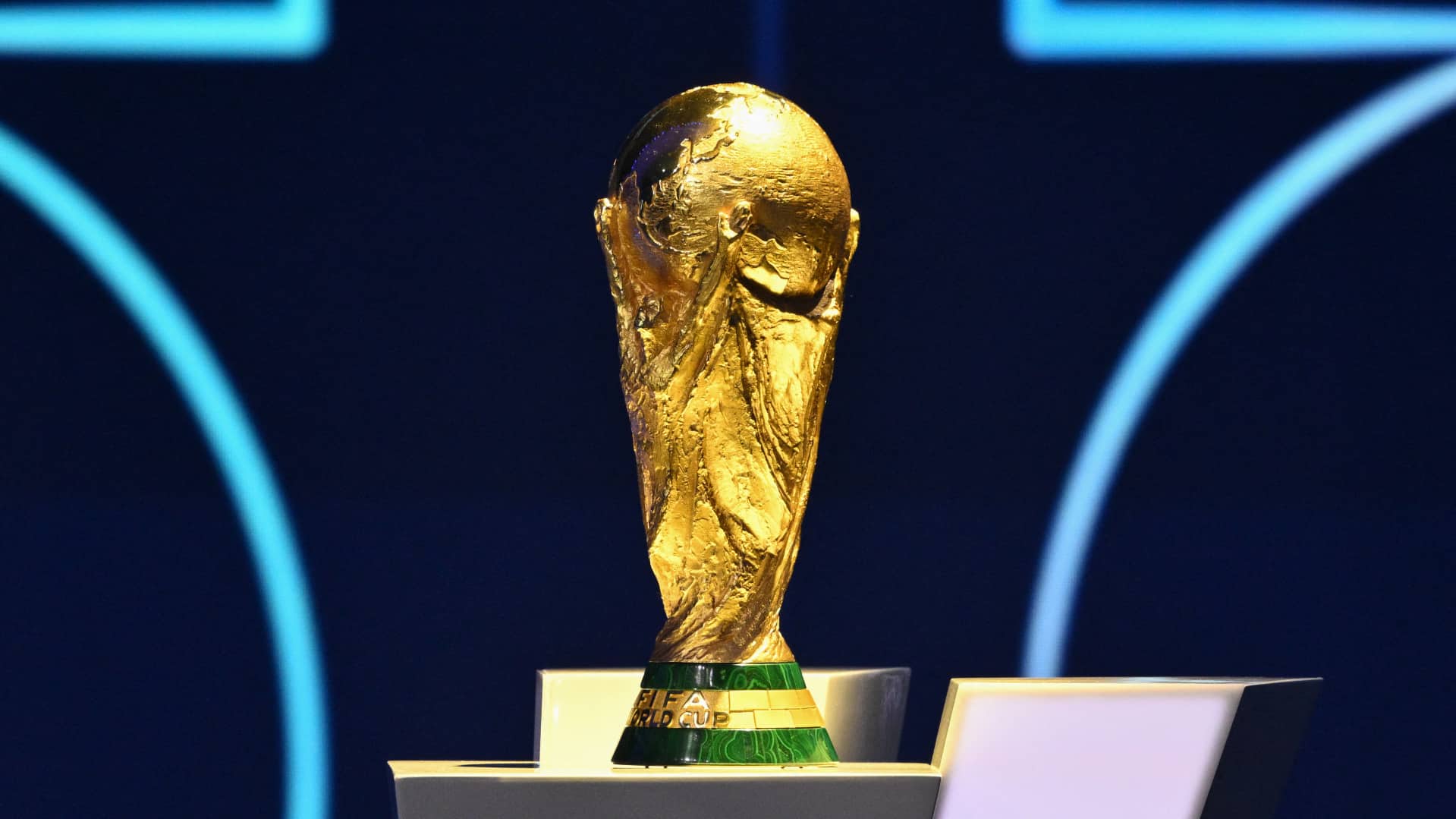
The upcoming FIFA World Cup 2026, scheduled to commence on June 11 across host nations the United States, Canada, and Mexico, is currently facing uncertainties as geopolitical tensions in the Middle East raise significant concerns, drawing parallels to previous tournament cancellations. Historically, the prestigious global football event has been called off twice before, in 1942 and 1946, both instances directly attributed to the widespread devastation and global conflict of World War II.
Prior to these unprecedented interruptions, the first three editions of the World Cup proceeded smoothly and according to plan. Uruguay proudly hosted the inaugural tournament in 1930, followed by Italy in 1934, and France in 1938. However, the escalating global conflict, particularly World War II, which was sparked by Germany’s invasion of Poland between 1939 and 1945, led to the unfortunate and necessary suspension of the competition for two consecutive cycles. This resulted in a significant 12-year hiatus before the highly anticipated tournament could finally resume.
Once the global situation began to improve and stability returned, FIFA, the sport’s international governing body, successfully relaunched the event. The World Cup made its triumphant return in 1950, hosted by Brazil, marking the fourth edition of the tournament and the first after the prolonged break. Since that time, the FIFA World Cup has been consistently held every four years without interruption, solidifying its status as the premier global sporting spectacle.
However, the 2026 tournament, set to run from June 11 to July 19 across its North American hosts, is now reportedly facing new scrutiny. The cause for concern, as highlighted in original reports, stems from the potential for conflict in the Middle East, with specific mentions of geopolitical tensions involving the United States, Israel, and Iran. These developments are cited as creating an environment of doubt for the smooth progression of the upcoming event.
Despite these emerging concerns, FIFA has expressed confidence in the progression of the 2026 World Cup. The organization believes the tournament will proceed as planned, even anticipating the participation of Iran, notwithstanding the event being co-hosted by the United States. Nevertheless, a potential complication arises from previous statements made by figures such as Donald Trump regarding the potential implementation of visa restrictions on Iranians entering US territory, which could significantly impact fan and team travel to a co-host nation of the World Cup.