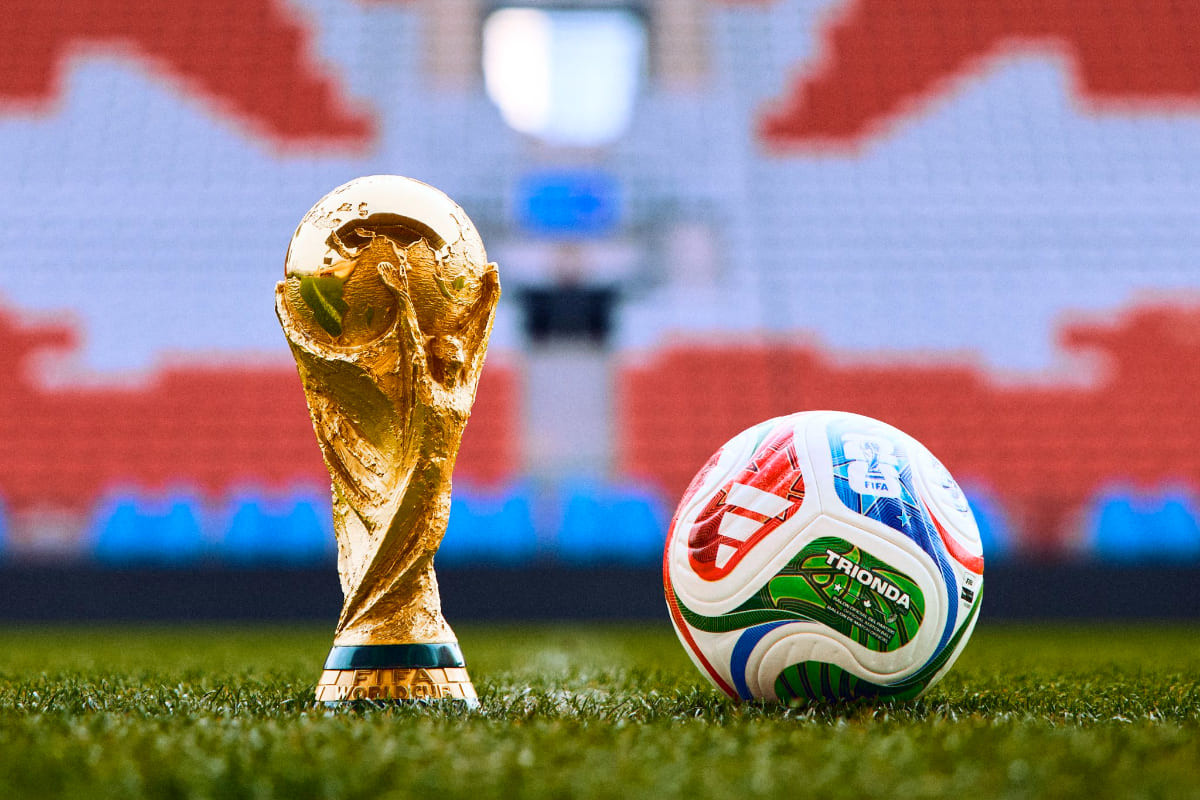
Sepp Blatter, the former President of the International Federation of Association Football (FIFA), has publicly voiced his support for a proposed fan boycott of the 2026 FIFA World Cup. The boycott, which is specifically aimed at the United States as one of the co-host nations, stems from significant concerns over the domestic and international policies and conduct of then-President Donald Trump and his administration.
Blatter became the latest prominent international football figure to question the suitability of the United States as a co-host for the upcoming global tournament. He publicly called for the boycott in a message posted on the social media platform X on January 27.
The United States is scheduled to co-host the 2026 World Cup alongside Canada and Mexico. The prestigious tournament is set to run from June 11 to July 19, 2026.
Blatter explicitly endorsed the sentiments expressed by Mark Pieth, a Swiss criminal law attorney and anti-corruption expert. Pieth had previously called for global football fans to avoid traveling to the United States for the event. Pieth, who notably chaired FIFA’s independent governance committee for reforms approximately a decade ago, articulated his concerns in a recent interview with the Swiss newspaper Der Bund. He stated, “You will see it much more clearly on television. Upon arrival [in the United States], fans should expect that if they displease officials, they will be put on a flight back home. If they’re lucky.”
In his social media post, Blatter, who served as FIFA President from 1998 until his resignation in 2015 amidst corruption investigations, quoted Pieth directly and added his own affirmation: “I think Mark Pieth is right to question this World Cup event.”
The broader concerns within the international football community regarding the United States as a host nation during the Trump administration spanned a range of complex issues. These included the proposed territorial expansion regarding Greenland, specific travel bans affecting citizens from several nations, and aggressive strategies concerning immigrants and protesters. These policies notably impacted immigration law enforcement in various U.S. cities, with Minneapolis being a particular point of focus.
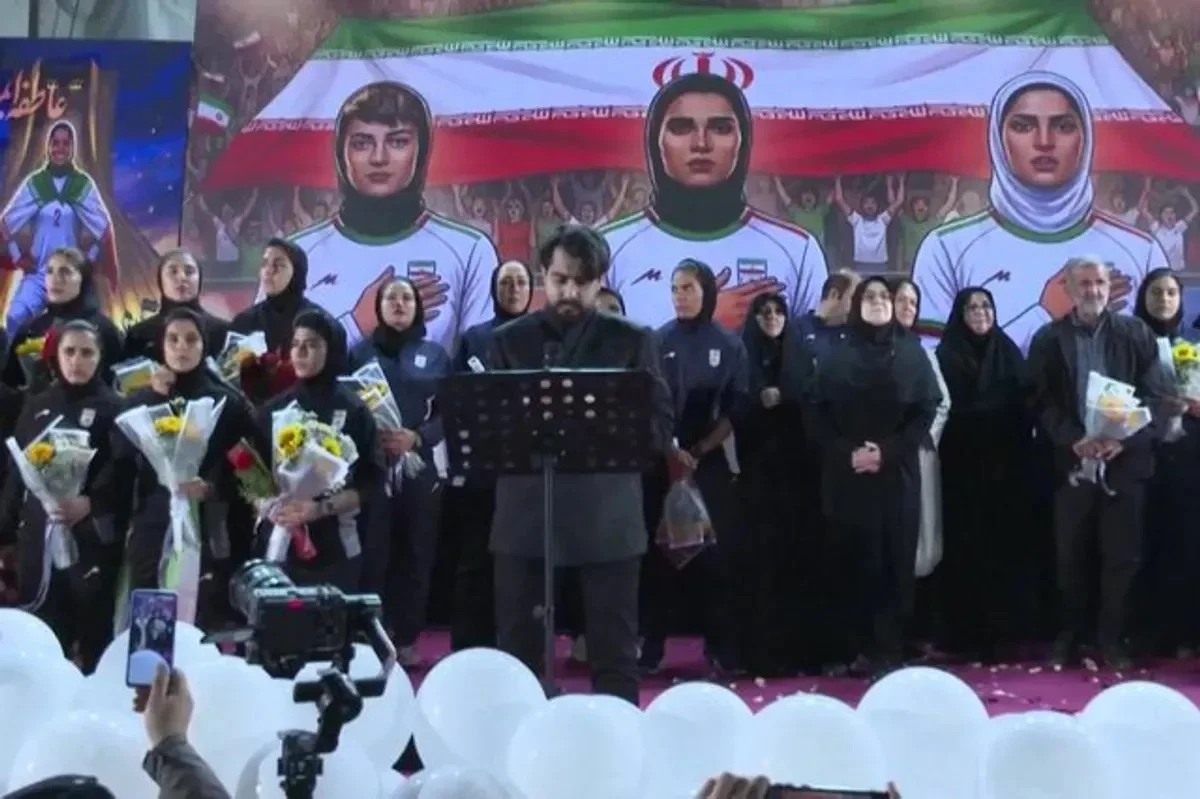
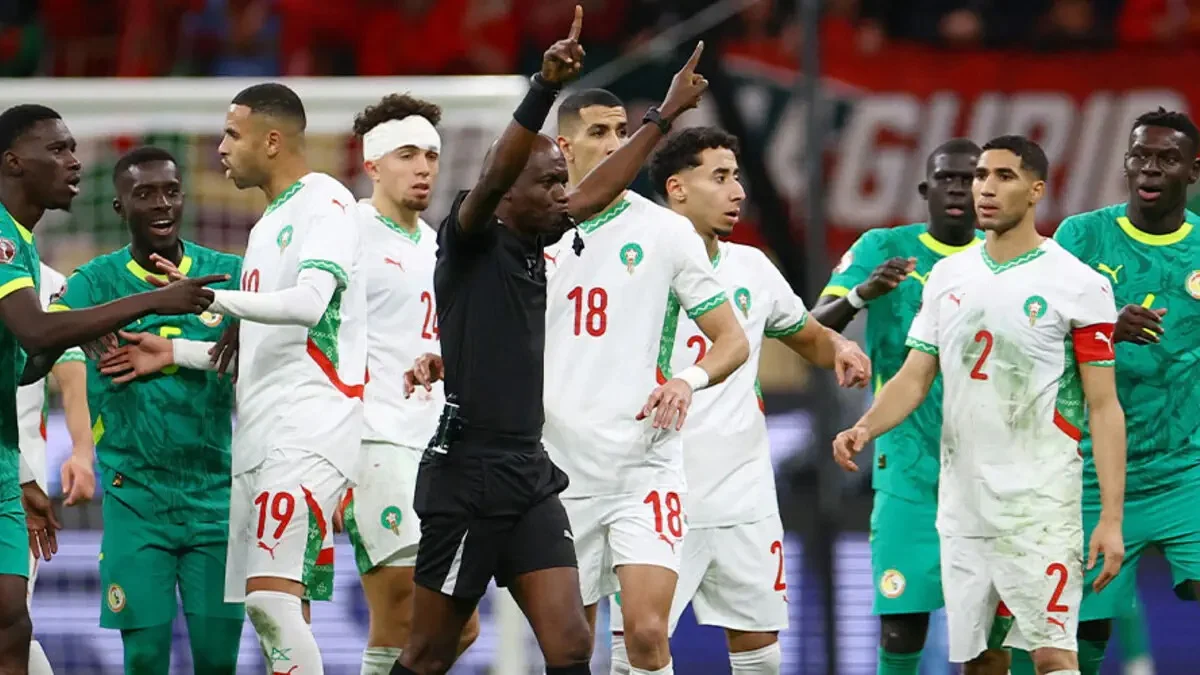
Just weeks prior to these discussions, travel plans for potential fans from Senegal and Côte d’Ivoire faced significant disruption. This occurred when the Trump administration announced a ban on citizens from both countries entering the U.S., unless they already possessed a valid visa. Furthermore, supporters from Iran and Haiti would also be prohibited from entering the United States, as these nations were included in the initial travel ban list issued by the Trump administration. This situation created a complex dilemma, as all four of these nations had national football teams that had officially qualified for the 2026 World Cup, highlighting potential logistical and ethical challenges for fans wishing to support their teams.