
The ongoing conflict in the Middle East, specifically involving America, Israel, and Iran, has significantly disrupted major international sporting events scheduled for early 2026 in and around the region. The escalating tensions, which have persisted for over two weeks, have led to severe air travel restrictions and heightened safety concerns. Consequently, numerous prominent competitions have been forced to either postpone or outright cancel their events.
Motor racing events across Bahrain, Saudi Arabia, and Qatar have experienced significant disruptions, with several high-profile competitions either postponed or canceled. The prestigious Formula 1 Grand Prix, originally slated for April in Bahrain and Saudi Arabia, has been officially canceled by the FIA (Fédération Internationale de l’Automobile). This decision was made due to serious safety concerns stemming from the ongoing conflict in the region.
Similarly, Qatar’s MotoGP event, initially scheduled for April, has been postponed until November 2026. This alteration in the racing calendar has also necessitated changes to other MotoGP events, including those planned for Portugal and Valencia, Spain, which were originally set to host the season finale. These adjustments reflect the cascading impact of the Middle East situation on global sports scheduling. The season opener for the World Endurance Championship, which was set to take place in Qatar on March 28, has also been suspended as a direct consequence of the regional instability.
These affected nations—Bahrain, Saudi Arabia, and Qatar—are all situated in close proximity to the Persian Gulf. They have reportedly faced aerial attacks from Iran, which alleges the presence of American military bases within their borders, thereby increasing the security risks for large public gatherings and international events.
Football events within and near the Middle East have also been heavily impacted by the conflict. The highly anticipated Finalissima match between European champions Spain and Copa América champions Argentina, scheduled to be held in Qatar, has been canceled. Organizers cited significant safety concerns amidst the ongoing hostilities in the region as the primary reason for this decision.
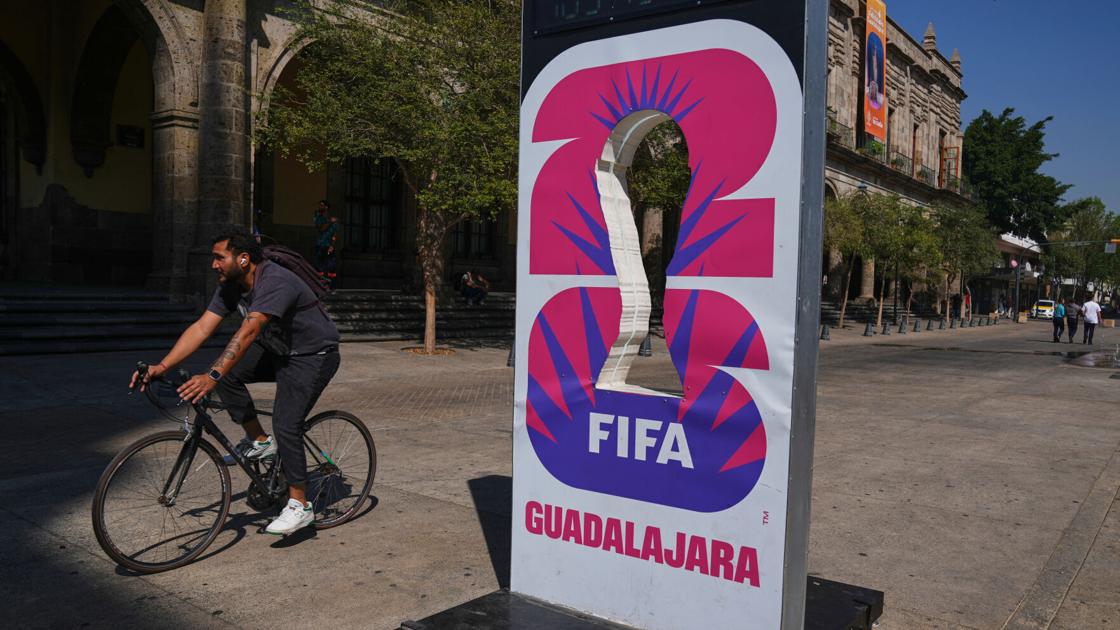
Furthermore, Iran’s participation in the 2026 FIFA World Cup, set to be co-hosted by the United States, Canada, and Mexico, is now uncertain. The Iranian Sports Minister has reportedly stated an intention to prevent the national football team from competing, citing the US’s alleged role in the killing of an Iranian leader. In contrast, Donald Trump had previously indicated a willingness to welcome Iranian players to compete on US soil, though he also made remarks suggesting that the players might be seeking personal safety and a better life. Iran is among the 47 teams that have secured a spot in the expanded World Cup, which is scheduled from June 11 to July 19. If they participate, Iran’s matches would be held in US cities such as Los Angeles and Seattle.
On the continental stage, the AFC Champions League Elite in Middle Eastern countries has also faced suspensions. Specifically, the Round of 16 matches for clubs from Central Asia and the Middle East have been on hold for two weeks in March. Further suspensions apply to the AFC Champions League 2 and AFC Challenge League quarter-final matches involving teams from the Middle East, as confirmed by the Asian Football Confederation (AFC).
Iraq, a nation bordering Iran, has also been affected. National team coach Graham Arnold has been unable to travel to prepare the squad for the inter-continental playoffs for a spot in the 2026 World Cup in Mexico. The Iraqi football federation expresses concern that team preparation and player assembly will be severely hindered by the air travel restrictions prevalent in the conflict-ridden region. Qatari club Al Sadd is currently without its coach, Italian Roberto Mancini, who is unable to return to Qatar due to ongoing air travel prohibitions into the country.
The 2026 Milano-Cortina Winter Paralympics are also experiencing repercussions from the Middle East conflict. Athletes from several nations face significant travel disruptions, particularly those requiring transit through the Middle East, where major airports have been temporarily closed due to the conflict. The International Paralympic Committee (IPC) has confirmed that Iran will not be sending any athletes to the Winter Paralympics as a direct result of these challenges.
In tennis, the ATP Challenger event in Fujairah, United Arab Emirates, originally scheduled for early March, was canceled due to security concerns. Additionally, the Dubai Tennis Championships created logistical hurdles for many players attempting to travel from the UAE to the United States for the Indian Wells Open, highlighting the broader impact on global sports circuits.
The American hockey team has also withdrawn from its World Championship qualifiers in Egypt. The decision was made due to concerns over Egypt’s proximity to the intense conflict zone, underscoring the perceived risks. Furthermore, a cricket series between Afghanistan and Sri Lanka, which was scheduled to be held in the United Arab Emirates, has been temporarily suspended. This announcement was made by the Afghanistan Cricket Federation on March 11.