The Democratic People’s Republic of Korea (DPRK) has consistently showcased its formidable strength in international youth football. The nation’s Under-17 women’s national team recently achieved a remarkable feat by securing consecutive FIFA U17 Women’s World Cup titles, bringing their total to an unprecedented four championships. This historic accomplishment was preceded by the North Korean U20 women’s team also clinching their third World Cup title in 2024. These repeated successes raise a compelling question: How does a nation often described as one of the most isolated in the world consistently achieve such high levels of competitiveness in football?
North Korea remains one of the most isolated countries globally, largely due to its stringent political ideology and self-imposed detachment from most international relations. Its closest political and economic ties are primarily with China and Russia, both sharing similar communist systems. Outside of these political dynamics, and notably in the realm of sports, international attention on North Korea is scarce.
Despite its global isolation, North Korea is widely recognized for its strong athletic prowess across various disciplines. Beyond football, the country’s athletes frequently demonstrate high levels of competition in Olympic events and regional tournaments, often securing medals. This broad sporting success highlights a strategic national focus on athletic achievement.
The nation’s football success, particularly, draws considerable intrigue. Football is deeply ingrained as a popular sport within North Korea. This leads to further inquiry into the unique strategies employed by the country’s leadership to cultivate such formidable teams, especially within its women’s divisions, matching or even surpassing many regional and global competitors. The core answer lies in a direct, results-oriented strategy: an immediate pursuit of championship victories, rather than a prolonged, incremental development approach. For North Korea’s leadership, success in sports serves as a powerful instrument to project national power and influence on the international stage.
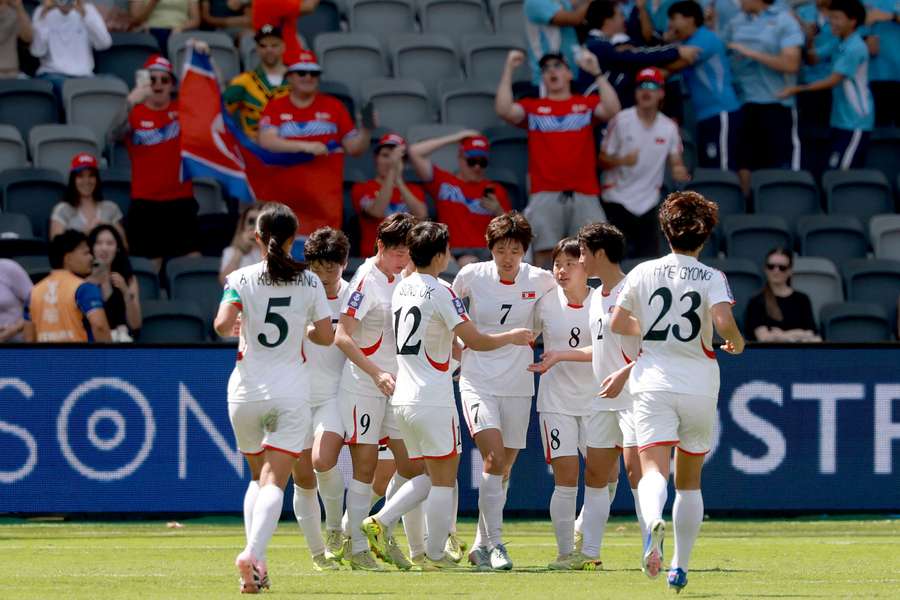
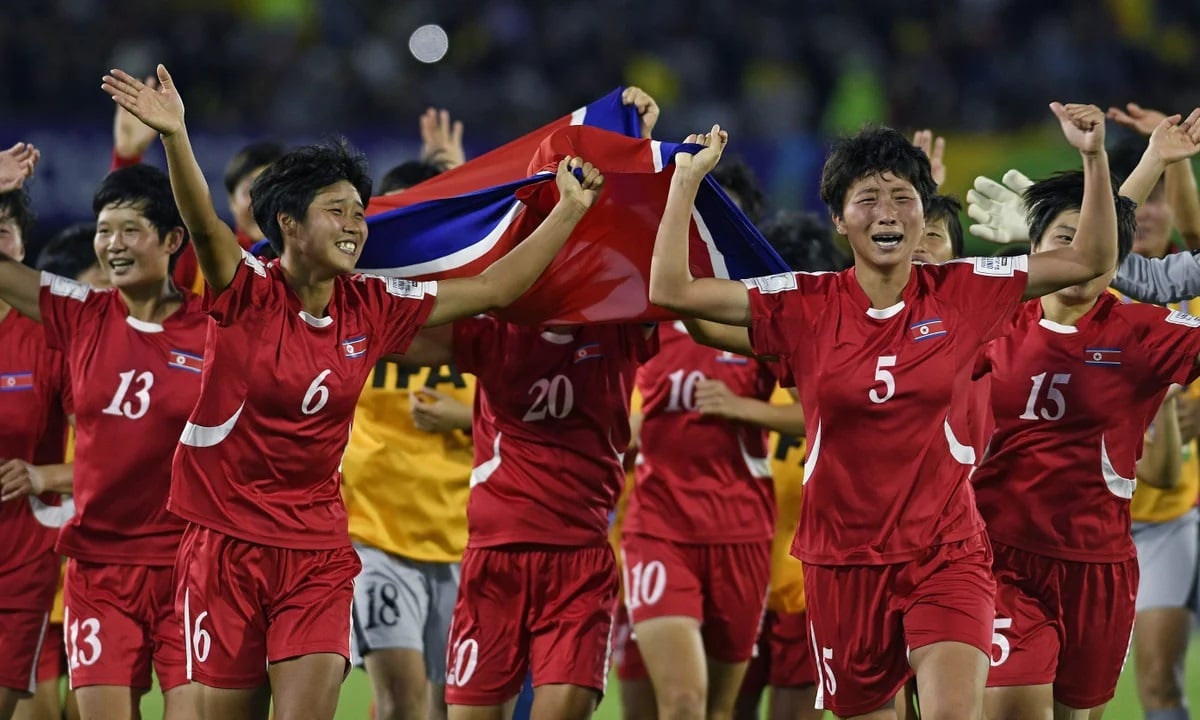
Over the past two years, the consecutive global championship victories of the North Korean U17 and U20 women’s teams have been instrumental in showcasing their capabilities. These teams have triumphed over formidable opponents from Europe, South America, and Africa, establishing their strong competitive presence. This sustained success is effectively utilized by North Korea as a form of propaganda, demonstrating its influence through sporting achievements to the wider world. State television, KCNA, has prominently featured the celebratory scenes following the U17 women’s World Cup victory, framing it as a source of immense joy and pride for the populace, alongside expressing gratitude to the nation’s leadership. Images of the triumphant players waving the North Korean flag on the field, their faces beaming with inexpressible emotion, underscore the profound national significance attributed to these wins.
Professor Jung Woo Lee, an expert in sports politics and leisure from the University of Edinburgh in Scotland, highlighted this strategic dimension in an interview with German newspaper DW. He posited that the North Korean women’s team’s victories provide a vital avenue for the nation’s leadership to project its power and influence internationally through sports. The South Korean-born sports politics professor suggested that North Korean leaders strategically invest in sports disciplines they believe can effectively promote the country on the global stage, with youth football serving as a prime example.
North Korea’s strategic focus on youth-level competitions, particularly in women’s football, is a calculated move. The nation’s leadership acknowledges that its senior men’s national team faces significantly tougher competition globally, often lagging behind other international powerhouses. Consequently, they prioritize expanding their influence and competitive edge in youth categories. This approach is rooted in the belief that youth women’s football offers a more manageable environment for rapid development and strategic planning geared towards winning.
While both North Korean men’s and women’s senior national teams possess considerable competitive strength, their international exposure and achievements have often been constrained. The men’s team, for instance, has demonstrated a competitive level comparable to strong Asian counterparts like Japan and South Korea. However, political factors and strained international relations have limited their participation in major global events. North Korea has notably appeared in the FIFA World Cup twice, in 1966 and 2010, though they controversially withdrew from the qualifiers for the 2022 tournament. At the senior level, North Korea perceives winning major trophies as an arduous task, contrasting sharply with the youth categories where many nations do not allocate the same intense focus, thus creating a clearer path to victory for the DPRK.
Although North Korea maintains domestic football leagues for both men and women, the leadership’s primary emphasis and investment appear to be directed more towards its national youth teams rather than its professional club competitions.
According to South Korean analyst Hong Min, speaking to AFP, North Korea implements a rigorous talent identification program from a very young age. Children demonstrating exceptional aptitude for sports are selected for specialized training. The country commits significant resources to nurture these young talents into elite athletes who can represent the nation on the international stage. This investment is coupled with a strong ideological indoctrination from the leadership, instilling in these athletes a profound sense of duty and obligation to “repay” their nation through peak performance and competitive success.
This contrasts sharply with the approach often observed in European youth football, where the emphasis is frequently on enjoyment and personal development rather than immediate competitive pressure. In North Korea, young athletes undergo intensive training, high discipline, and are integrated into a clear, systematic development program designed to cultivate optimal performance from an early age. This structured approach aims to ensure that by the time they reach maturity, they possess formidable skills and a winning mentality.
The North Korean women’s national team, currently ranked 10th by FIFA, exhibits a significantly higher global standing compared to the men’s team, which is positioned around 120th. This disparity highlights the nation’s specific ambitions within women’s football. The women’s team is now setting its sights on the upcoming Women’s Asian Cup in 2026, slated to be held in Australia. Having already secured their qualification, they are widely considered strong contenders for the championship. Historically, the North Korean women’s team has achieved considerable success in continental competitions, clinching the Asian Cup three times in 2001, 2003, and 2008. However, from 2010 onwards, political issues significantly impacted their participation, leading to various absences, bans, and withdrawals from international tournaments.
Nevertheless, North Korea is now making a notable return to major international competitions. The 2026 AFC Women’s Asian Cup represents a pivotal new target for the team as they re-establish their presence on the global football stage.