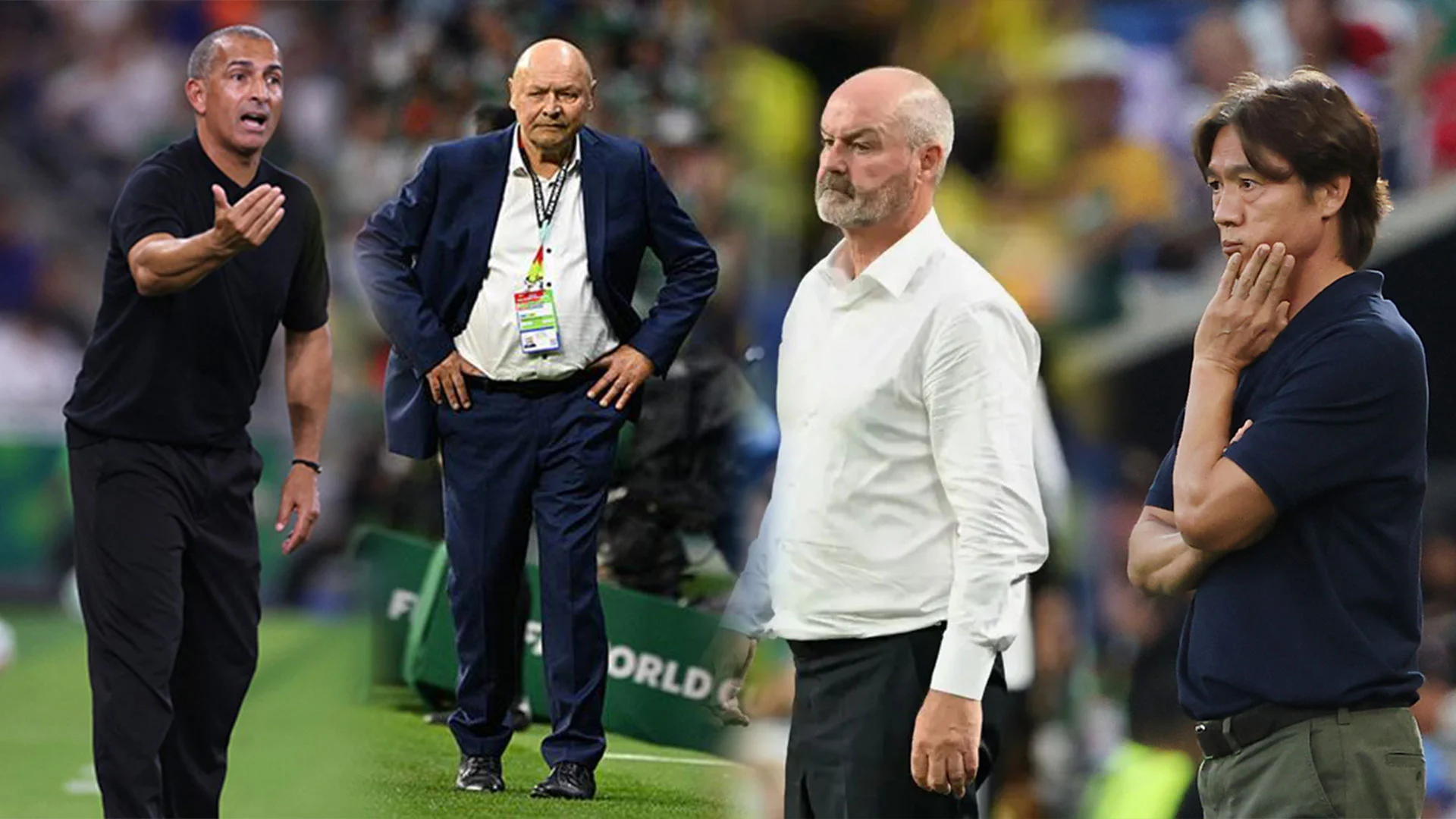
The FIFA World Cup 2026 tournament has reached its intense knockout stages, but for some national teams, their journey concluded prematurely in the demanding group stage. This early exit often stems from a combination of inadequate preparation, flawed tactical approaches, and, at times, a critical lack of luck. As a direct consequence of these disappointing performances, four prominent national team coaches have either resigned or been relieved of their duties.
The FIFA World Cup 2026, co-hosted across the United States, Canada, and Mexico, has already delivered numerous memorable moments. The tournament has witnessed the emergence of new national teams making historic debuts, seasoned veterans participating in multiple consecutive events, and various records being set both on and off the pitch. However, amidst these triumphs, the early failures of some teams to progress past the group stage have invariably led to significant changes in their coaching staff.
Tunisia’s coach, Sabri Lamouchi, was among the first to face the axe. His tenure concluded abruptly following a heavy 5-1 defeat to Sweden in Group F, a result that proved particularly humiliating for the North African side. Following Lamouchi’s departure, Herve Renard was appointed as his successor. Despite this change, Tunisia’s fortunes did not improve, as they went on to lose their subsequent two matches, confirming their elimination from the World Cup 2026 after just their second group stage fixture.
In Group A, Miroslav Koubek, the head coach for the Czech Republic, announced his resignation. His decision followed a series of underwhelming performances, including a 2-1 loss to South Korea, a 3-0 defeat against Mexico, and a 1-1 draw with South Africa, which ultimately saw his team fail to advance.
Scotland’s campaign in World Cup 2026 also ended in disappointment, leading to the resignation of their coach, Steve Clarke. After failing to secure a spot in the next round as one of the best third-placed teams, Clarke opted to step down. Scotland’s performance in the main tournament appeared to fall short of the standards they demonstrated during the European qualifiers. Placed in Group C, alongside football powerhouses Brazil, Morocco, and debutants Haiti, Scotland managed to secure only three points after losing 3-0 to Brazil, 1-0 to Morocco, and achieving a 1-0 victory over Haiti, insufficient to progress to the Round of 32.
Similarly, South Korea’s early exit from the group stage resulted in the resignation of their coach, Hong Myung Bo. His departure was prompted by widespread criticism from fans and media alike, escalating to the attention of even President Lee Jae Myung. South Korea finished third in their group with just three points, having lost to Mexico and South Africa, despite securing a win against a struggling Czech Republic side. Among the key issues cited for Myung Bo’s struggles were contentious player selection decisions, notably the absence of star player Heung Min Son from the initial starting lineup, coupled with a perceived lack of a clear and effective strategic approach needed to overcome their opponents.