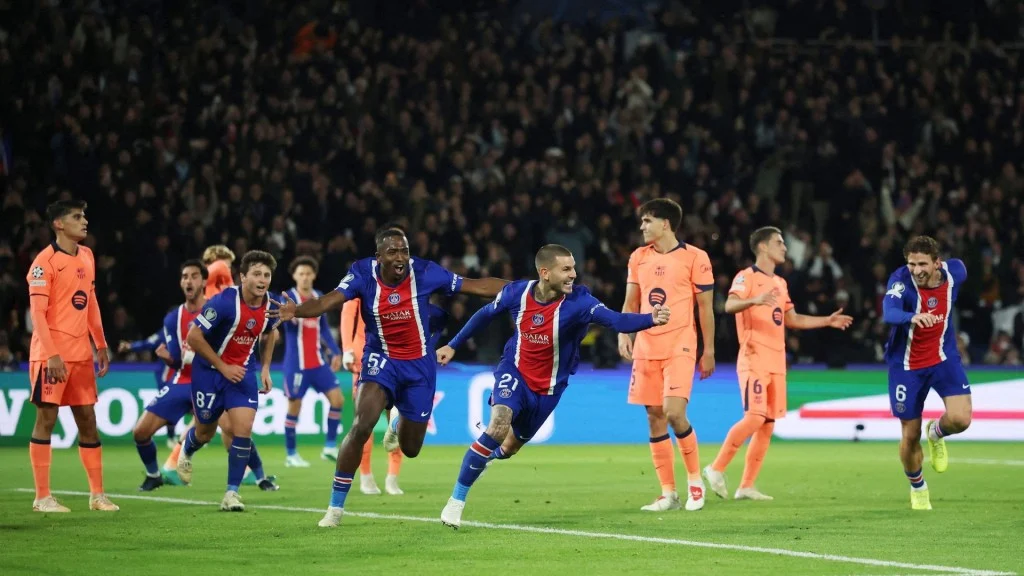
The highly anticipated Ligue 1 fixture between Paris Saint-Germain (PSG) and Olympique Lyonnais, originally scheduled for October 25th, is facing a potential postponement. This development comes as Paris police have expressed significant concerns regarding the security situation in the French capital, amidst a backdrop of escalating civil unrest across the country.
According to reports from French media outlet L’Equipe, authorities from the Paris police force have formally requested the French Professional Football League (LFP) to adjust the schedule for several high-profile matches set to take place in Paris on October 25th. This appeal underscores the growing challenges faced by law enforcement in maintaining public order.
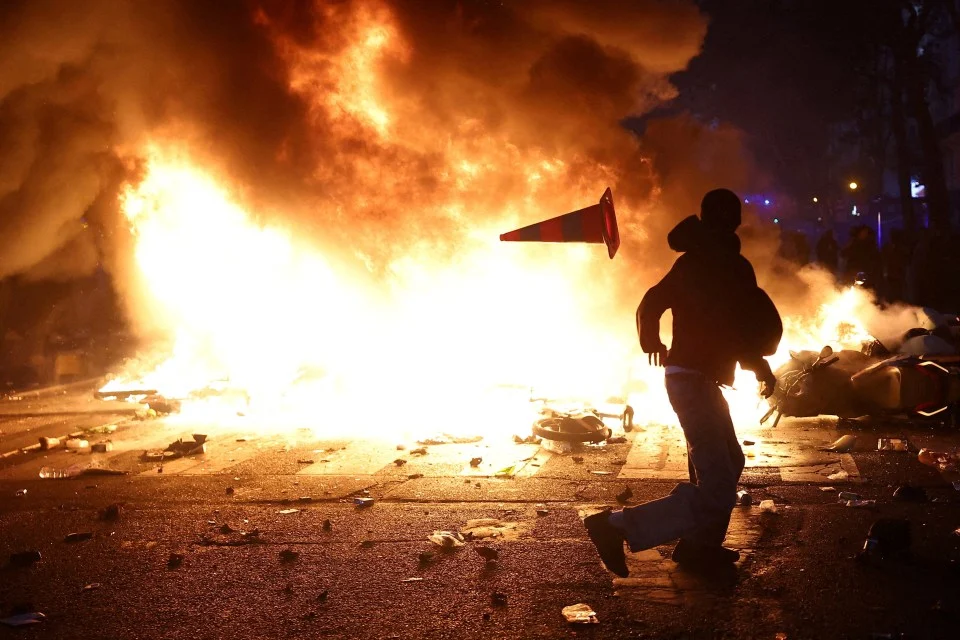
The request for rescheduling is directly linked to the French government’s decision to deploy substantial security forces. Prime Minister Sebastien Lecornu announced on October 20th that soldiers, police, and other security personnel would be deployed to manage planned demonstrations on October 24th. This follows a period of violent protests and extensive looting that occurred in Paris and other major cities just days prior, on October 17th.
While no official decision has been finalized, L’Equipe’s reporting indicates that the PSG versus Lyon match is likely to be rescheduled for October 26th. The strain on security resources is further compounded by another major event scheduled for October 25th at the Stade de France: a regular season American football game between the Pittsburgh Steelers and the New Orleans Saints. This event alone necessitates a substantial deployment of security personnel and police presence.
The impact of the unrest on the football calendar is already evident, with another Ligue 1 fixture, the match between Toulouse and Troyes, having already been moved from October 24th to October 25th at the specific request of French authorities.
France has experienced its most severe civil unrest in recent years over the past weeks. The initial wave of protests, which began last month, was spearheaded by student groups advocating for improvements to the education system. However, the movement has since expanded considerably, drawing in trade unions and other participants to protest broader social and economic issues. These demonstrations have reportedly involved up to 500,000 individuals, and some extremist elements have engaged in widespread acts of violence, including setting fire to cars and buildings, as well as looting shops. Notably, the 19th-century historical building of Limoges City Hall was among the structures set ablaze.